

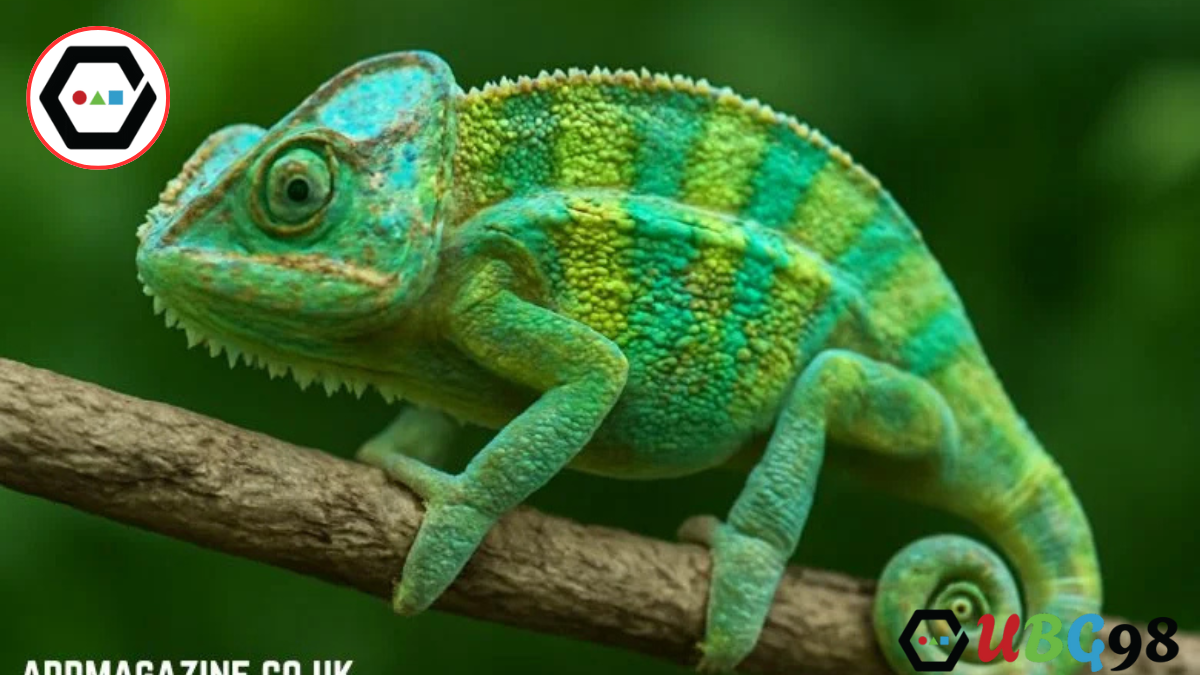
Chameleónovité are one of the most fascinating families of reptiles, admired for their unique physical adaptations and extraordinary colour-changing abilities. Belonging to the Chamaeleonidae family, these reptiles are highly specialised, displaying traits that make them unique among lizards. From independently rotating eyes to long prehensile tongues, chameleónovité demonstrate remarkable evolution and survival strategies, captivating both wildlife enthusiasts and scientists alike.
Understanding chameleónovité goes beyond their colourful appearances; it involves studying their behaviour, natural habitats, and care requirements. Whether observed in the wild or maintained as pets, these reptiles offer insight into complex ecological systems. By exploring their unique traits, we gain a deeper appreciation for their evolutionary brilliance and the challenges they face in both natural and artificial environments.
What Are Chameleónovité?
Chameleónovité are a distinctive family of lizards with several features that set them apart from other reptiles. They are recognised for their zygodactylous feet, prehensile tails, and eyes capable of moving independently, allowing them to observe surroundings efficiently. Their most well-known feature is the ability to change colour, which serves multiple purposes, from communication to camouflage, and thermoregulation.
This family includes well-known species such as the Panther chameleon, Veiled chameleon, Jackson’s chameleon, and Parson’s chameleon. Each species has evolved specific adaptations suited to its environment, making chameleónovité highly versatile predators. With their specialised hunting mechanisms and intricate behaviours, chameleónovité remain an enduring subject of fascination for researchers and reptile lovers worldwide.
Habitat and Distribution
Chameleónovité are native to a variety of habitats, ranging from dense tropical rainforests to arid savannahs and high-altitude mountainous regions. The majority of species are found in Africa, particularly Madagascar, but they also inhabit parts of Southern Europe, the Middle East, and Asia. Each species demonstrates remarkable adaptations to survive in its specific environment, from body colouration to hunting techniques.
The survival of chameleónovité is closely linked to the preservation of their natural habitats. Deforestation, agricultural expansion, and urbanisation threaten these unique reptiles, disrupting their ecosystems and reducing their populations. Conservation efforts and sustainable practices are essential to protect chameleónovité, ensuring these reptiles continue to thrive both in the wild and in controlled environments where their needs are met.
Behaviour and Lifestyle
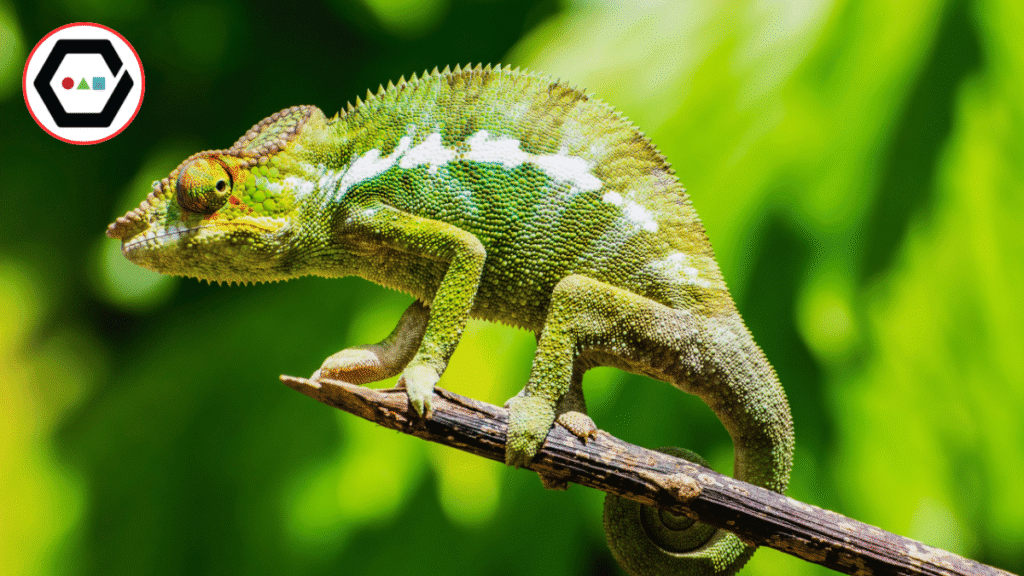
Chameleónovité exhibit a fascinating range of behaviours, many of which are linked to survival and reproduction. They are primarily insectivorous, feeding on a wide variety of insects and occasionally small vertebrates. Their hunting relies on stealth and precision, using their long, sticky tongues to capture prey from a distance. Some species also incorporate plant material into their diet, providing essential hydration and nutrients.
Most chameleónovité are solitary creatures, with interactions occurring mainly during the breeding season. They establish territories, using visual displays and colour changes to warn off intruders or attract mates. Reproductive behaviour varies by species, with some laying eggs while others give live birth. Their average lifespan ranges from five to ten years, depending on species and environmental conditions, making proper care essential for captive specimens.
Chameleónovité as Pets
Chameleónovité are increasingly popular as exotic pets, particularly in the UK and Europe, due to their captivating appearance and unique behaviours. However, they require specialised care to thrive in captivity. Beginners should research each species carefully, as some chameleónovité are more demanding than others. Proper enclosure size, lighting, humidity, and temperature are essential to replicate natural conditions and promote wellbeing.
Dietary requirements for chameleónovité in captivity primarily consist of live insects supplemented with vitamins and minerals. Owners must monitor health regularly, as these reptiles are prone to metabolic and respiratory issues if conditions are suboptimal. Despite the challenges, responsible care allows chameleónovité to live long, healthy lives, providing a unique and rewarding experience for reptile enthusiasts.
Colour Changing and Camouflage
One of the most remarkable features of chameleónovité is their ability to change colour. This process involves specialised cells called chromatophores, which manipulate pigments to produce a wide range of colours and patterns. Colour change serves several purposes, including communication, temperature regulation, and camouflage, helping these reptiles survive in diverse environments.
Contrary to popular belief, chameleónovité do not change colour solely to blend into their surroundings. Emotional state, light conditions, and temperature also influence colour variation. Observing these changes offers insight into their behaviour, mood, and health. The colour-changing abilities of chameleónovité continue to intrigue researchers and reptile enthusiasts alike, highlighting their complex and adaptive nature.
Conservation and Threats
Chameleónovité face significant threats in the wild, primarily due to habitat loss, climate change, and the illegal pet trade. Many species are classified as vulnerable or endangered, highlighting the urgent need for conservation efforts. Protecting their natural habitats and regulating trade are critical steps to ensure the survival of chameleónovité populations worldwide.
Conservation organisations work to safeguard chameleónovité through habitat restoration, breeding programmes, and public education. Individuals can also contribute by avoiding illegal pets, supporting conservation initiatives, and promoting awareness of their ecological importance. Protecting chameleónovité not only preserves a unique group of reptiles but also maintains the health and balance of the ecosystems they inhabit.
Conclusion
Chameleónovité are extraordinary reptiles, notable for their colour-changing abilities, specialised adaptations, and intricate behaviours. Understanding their natural habitats, behaviour, and care requirements is essential for both enthusiasts and conservationists. Respecting and protecting these unique reptiles ensures they continue to thrive, whether in the wild or as part of responsible captive care, offering insight into one of nature’s most fascinating families.
FAQs
What does chameleónovité mean? – Chameleónovité refers to the family Chamaeleonidae, encompassing all chameleons and their close relatives.
How many species of chameleons exist? – There are over 200 described species within chameleónovité, each with unique adaptations and traits.
Can chameleónovité change colour for camouflage? – Yes, colour changes help with camouflage, communication, and thermoregulation, although environmental factors also influence the process.
Are chameleónovité suitable pets for beginners? – Some species can be kept as pets, but many require specialised care and habitat conditions.
What do chameleónovité eat in the wild? – They primarily feed on insects, occasionally small vertebrates, and sometimes plant matter for hydration.
How long do chameleónovité live? – Most species live between five and ten years, depending on species and environmental conditions.
What are the main threats to chameleónovité? – Habitat loss, climate change, and the illegal pet trade are the biggest threats to wild populations.
How do chameleónovité communicate with colour? – They use colour changes to signal aggression, attract mates, or indicate stress, making colour an essential part of their behaviour.
Also Read: mike dobinson