Riverbank Collapse Iford Playing Fields: Causes, Impact & Updates
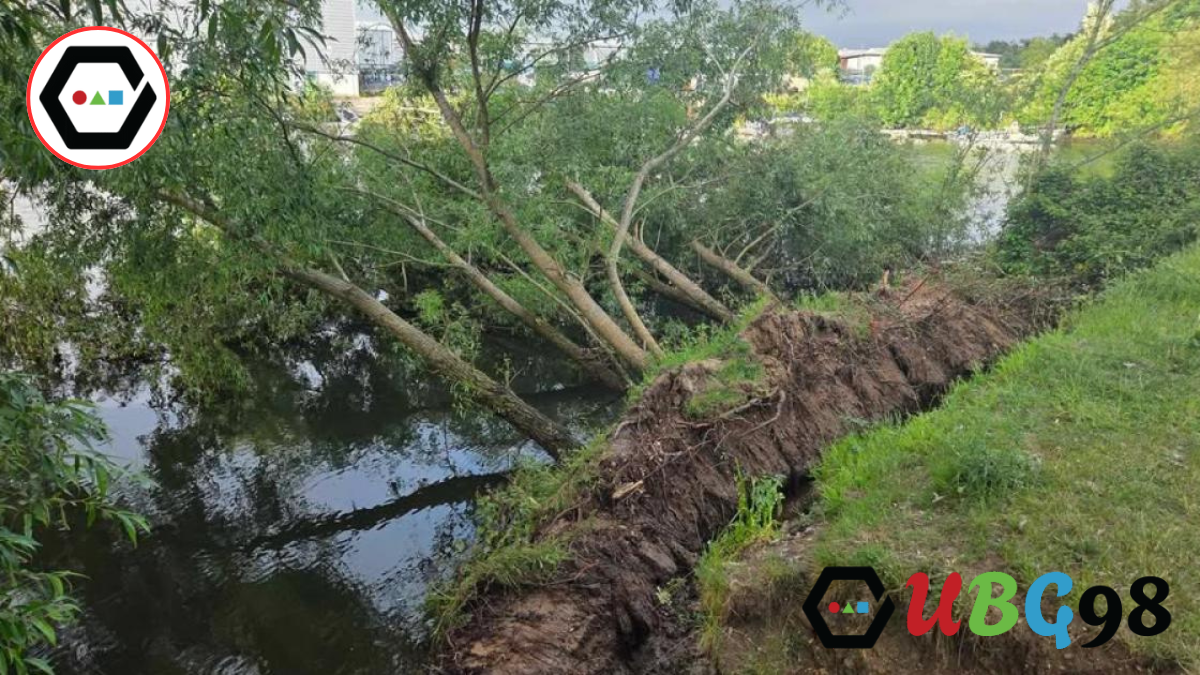
The riverbank collapse iford playing fields has drawn significant attention from local residents, environmental experts, and authorities. In June 2025, following several days of heavy rainfall, sections of the River Stour embankment near Iford Playing Fields gave way, causing large trees and soil to fall into the river. This sudden collapse not only altered the landscape but also posed serious safety risks to the surrounding areas, particularly recreational zones used by the community.
Local residents expressed alarm as the collapse obstructed river flow and increased the risk of flooding. The riverbank collapse iford playing fields has highlighted the vulnerability of Christchurch’s riverside areas to erosion and heavy water flow. Authorities quickly began assessing the damage, but the event has sparked discussions about the long-term management of riverbanks and the need for improved preventive measures to protect both people and wildlife.
The Event of Riverbank Collapse Iford Playing Fields
The riverbank collapse iford playing fields occurred overnight, catching many by surprise. Large sections of the embankment crumbled, sending trees and soil into the River Stour. Eyewitnesses described the scene as dramatic, with chunks of land disappearing and parts of the park rendered unsafe for public use. The collapse disrupted the river’s natural flow, creating immediate hazards for visitors, residents, and wildlife in the vicinity.
Historically, the area around Iford Playing Fields has been prone to riverbank instability and flooding. Events in 2013 had already shown the vulnerability of this stretch of the River Stour. The recent riverbank collapse iford playing fields serves as a reminder that natural erosion and extreme weather events continue to threaten the stability of riverside parks and recreational areas, demanding proactive monitoring and maintenance.
Causes of Riverbank Collapse Iford Playing Fields
Several factors contributed to the riverbank collapse iford playing fields. Heavy and persistent rainfall caused soil saturation along the embankment, weakening the structure and making it prone to slumping. Natural erosion at sharp bends of the River Stour further destabilised the riverbanks, allowing large sections to collapse under the pressure of water and gravity.
Human activity may have also played a role. Insufficient maintenance and reinforcement of vulnerable embankments, combined with limited flood prevention measures, increased the susceptibility of the riverbank. The riverbank collapse iford playing fields illustrates how natural forces, such as water flow and soil composition, combined with human oversight, can result in sudden environmental disruptions with serious community implications.
Impact on the Community and Environment
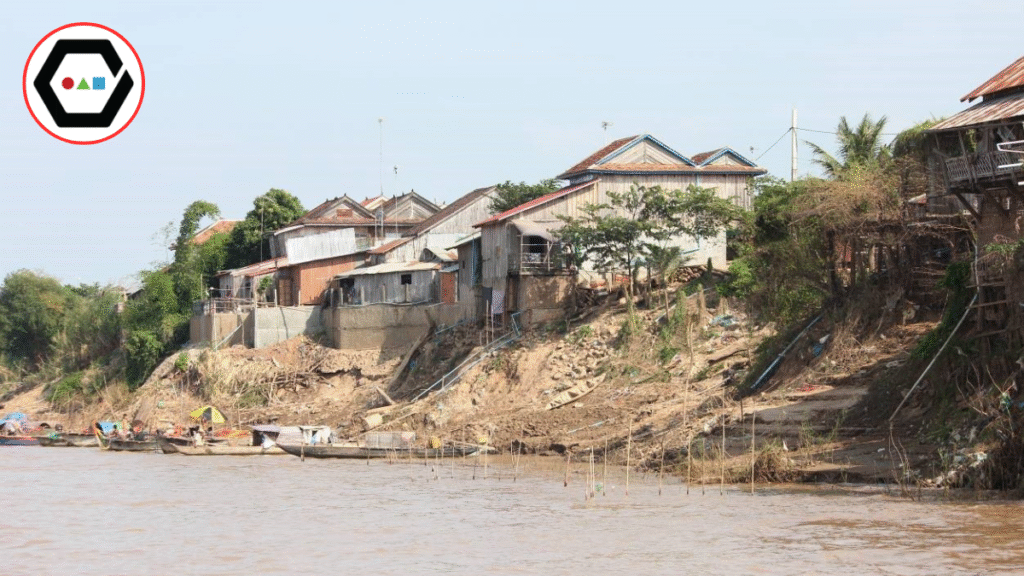
The riverbank collapse iford playing fields had significant consequences for both residents and the natural environment. Local communities were immediately concerned about safety, as the collapse increased flood risk and rendered sections of the park and nearby paths unsafe. Property near the riverbank faced potential water damage, prompting heightened vigilance and temporary closures to prevent accidents.
Environmental impacts were equally pronounced. Trees and vegetation that fell into the river disrupted habitats for fish, birds, and small mammals. The altered water flow could affect water quality and sediment patterns downstream. The riverbank collapse iford playing fields has thus served as a stark reminder of how fragile river ecosystems are and how human activity and extreme weather can amplify environmental risks.
Response and Updates on Riverbank Collapse Iford Playing Fields
Following the riverbank collapse iford playing fields, local authorities, including the Environment Agency and Christchurch council, responded promptly. Emergency teams assessed the damage, issued flood warnings, and began planning stabilisation measures for the affected embankments. Regular monitoring of the riverbanks was implemented to prevent further collapses, particularly during heavy rainfall periods.
Community involvement also played a vital role in the response. Residents reported new areas of concern and helped authorities identify high-risk zones. Updates from local councils highlighted ongoing efforts to secure the riverbank and prevent further erosion. The riverbank collapse iford playing fields has underscored the importance of collaboration between authorities and communities in safeguarding public spaces and natural habitats.
Prevention and Safety Measures
Safety measures are essential in areas affected by the riverbank collapse iford playing fields. Authorities advise local residents and visitors to remain alert to changing river conditions, particularly after storms or heavy rainfall. Avoiding unstable embankments and adhering to posted warnings can prevent injuries and minimise risk. Education and awareness campaigns also help the public understand the dangers posed by riverbank collapses.
Long-term prevention strategies include planting vegetation to strengthen soil, reinforcing vulnerable embankments, and implementing regular inspections. The riverbank collapse iford playing fields demonstrates that proactive management and sustainable practices are critical to maintaining both human and environmental safety. Lessons from this event could guide future interventions along other susceptible sections of the River Stour.
Conclusion
The riverbank collapse iford playing fields has highlighted the delicate balance between natural forces and human interaction with the environment. While extreme weather and natural erosion were the immediate causes, the incident emphasises the need for careful riverbank management, community awareness, and preventive strategies. Christchurch residents now remain vigilant, balancing recreational use of green spaces with safety and environmental preservation.
Frequently Asked Questions
What caused the riverbank collapse iford playing fields?
Heavy rainfall, saturated soil, and natural erosion were the primary causes of the collapse.
Is the area safe after the riverbank collapse iford playing fields?
Authorities advise caution, as some sections remain unstable and risk persists, particularly near river bends.
How often do riverbank collapses occur near Iford Playing Fields?
The region is prone to riverbank instability, with notable events recorded in 2013 and 2025.
Who is responsible for repairing the riverbank collapse iford playing fields?
Local councils, supported by the Environment Agency, manage repairs, monitoring, and flood prevention measures.
What are the environmental risks of the riverbank collapse iford playing fields?
The collapse affects wildlife habitats, water quality, and riverbank stability, potentially disrupting ecosystems.
Also Read: koriandri