Koriandri: Health Benefits, Culinary Uses, and Nutritional Facts
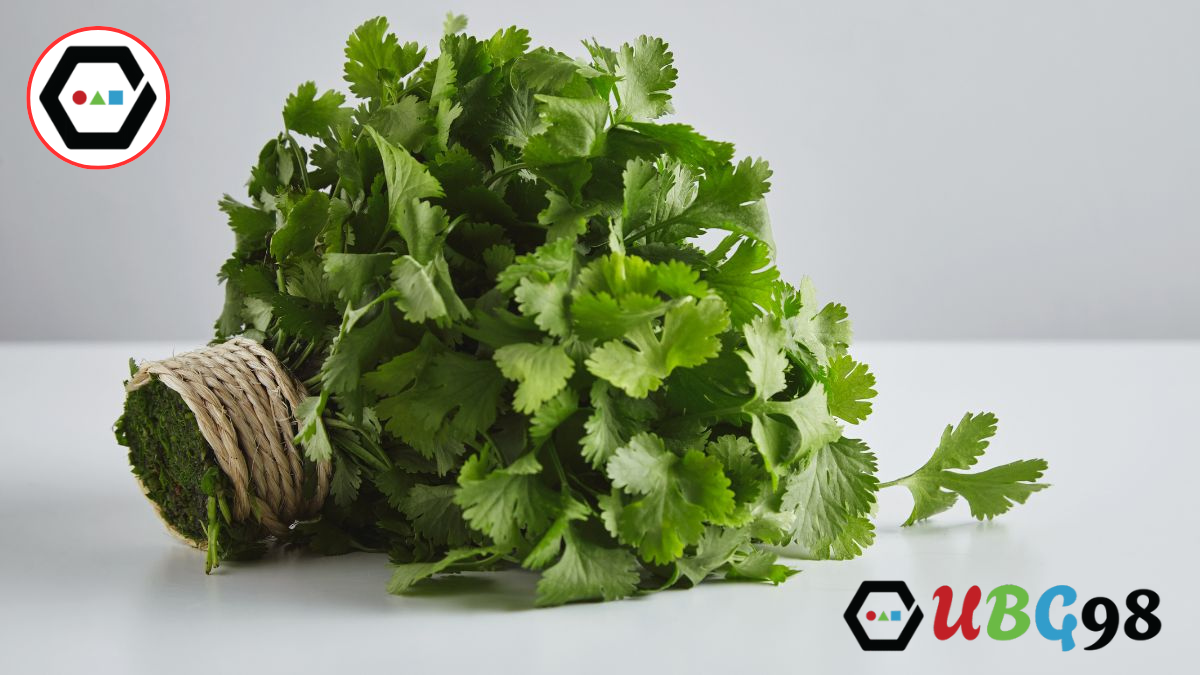
Koriandri, often referred to as coriander in many parts of the world, is a versatile herb with a rich history and a wide array of health and culinary applications. Its unique flavour, which varies from citrusy fresh leaves to earthy seeds, has made it a staple ingredient in global cuisines, from Asian curries to Mediterranean dishes. Beyond its taste, koriandri is celebrated for its nutritional properties, offering vitamins, minerals, and antioxidants that promote overall wellbeing.
This herb has been used for centuries, both in cooking and traditional medicine. Its adaptability, whether as fresh leaves or dried seeds, makes koriandri invaluable in the kitchen. In addition to enhancing the flavour of meals, koriandri carries several health benefits, including support for digestion, heart health, and anti-inflammatory effects. Learning how to use and grow this herb can transform your cooking and boost your nutrition.
What is Koriandri?
Koriandri is a member of the parsley family and is botanically known as Coriandrum sativum. Native to the Mediterranean and Middle Eastern regions, it has spread across the globe and is now cultivated in many countries. The herb is unique in that both its leaves and seeds are used for culinary and medicinal purposes, each offering distinct flavours and benefits.
Fresh koriandri leaves, commonly known as cilantro, provide a bright, slightly citrusy taste that enhances salads, salsas, and garnishes. Koriandri seeds, often referred to as koriandri seemned, are aromatic and earthy, ideal for roasting, grinding, or adding to spice blends. The herb’s long-standing presence in world cuisines highlights its versatility and enduring appeal.
Health Benefits of Koriandri
Koriandri is a nutritional powerhouse, packed with essential vitamins and minerals such as vitamin C, vitamin K, potassium, and dietary fibre. These nutrients contribute to various health benefits, including strengthened immunity, improved digestion, and enhanced bone health. Consuming koriandri regularly can be a natural way to incorporate valuable nutrients into your daily diet without adding unnecessary calories.
Research indicates that koriandri may also support cardiovascular health by reducing bad cholesterol and increasing good cholesterol levels. Its anti-inflammatory properties help soothe digestive discomfort and may lower the risk of chronic diseases. Furthermore, koriandri contains antioxidants that protect the body from harmful free radicals, making it a beneficial herb for overall health maintenance.
Culinary Uses of Koriandri
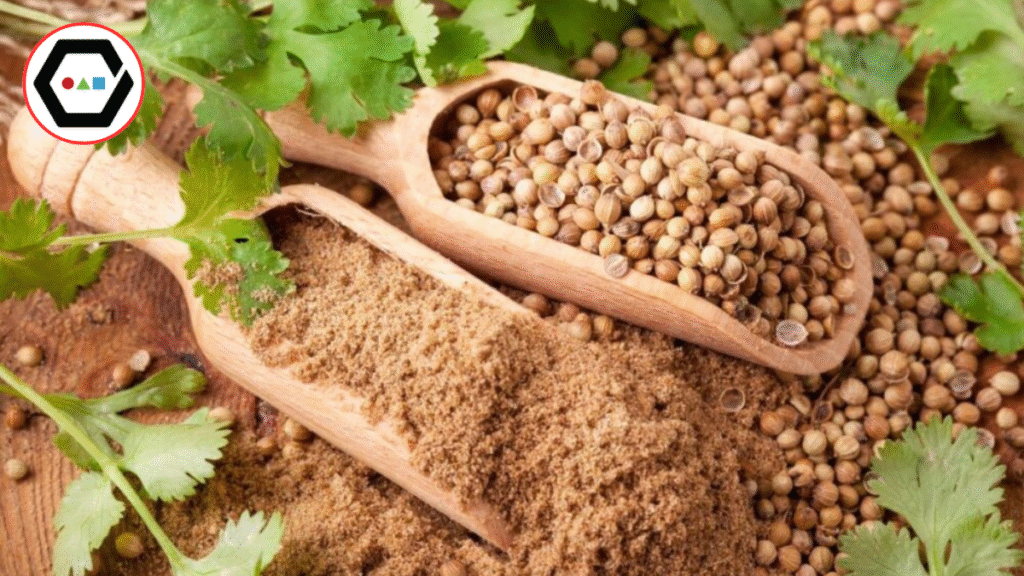
Koriandri’s culinary versatility is one of its strongest attributes. Fresh leaves can be used to garnish soups, salads, and curries, imparting a vibrant flavour and aroma. Koriandri seemned, on the other hand, is perfect for adding depth to spice blends, curries, and marinades. Its flavour transforms everyday meals into aromatic, flavourful dishes.
When using koriandri in cooking, timing is important. Adding fresh leaves at the end of cooking preserves their delicate aroma, while seeds benefit from toasting or grinding to release their natural oils. Koriandri pairs beautifully with ingredients like garlic, cumin, and lemon, creating balanced and aromatic dishes that delight the palate.
How to Grow Koriandri at Home
Growing koriandri at home is both simple and rewarding. The herb thrives in well-drained soil with ample sunlight, making it suitable for gardens or sunny windowsills in the UK. Koriandri seeds germinate quickly, producing healthy leaves within a few weeks. Regular watering and pruning encourage continuous growth and prevent bolting.
Indoor cultivation is also possible, allowing year-round access to fresh koriandri. Using pots or containers, gardeners can control sunlight, airflow, and soil quality effectively. With proper care, home-grown koriandri provides fresh leaves and seeds, ensuring a steady supply of this aromatic herb for cooking and medicinal uses.
Nutritional Facts of Koriandri
Koriandri is low in calories yet rich in essential nutrients, making it an ideal addition to a healthy diet. Per 100 grams, it contains dietary fibre, vitamins A, C, and K, as well as minerals like potassium, calcium, and iron. These nutrients support immune function, digestive health, and bone strength.
Both fresh leaves and seeds have unique nutritional contributions. Fresh leaves retain most of the vitamins, while koriandri seemned contains concentrated minerals and aromatic compounds. Incorporating both forms into your diet maximises flavour and health benefits, making koriandri a versatile herb for nutrition-conscious individuals.
Potential Side Effects and Precautions
Although koriandri is generally safe for consumption, some people may experience allergic reactions, such as rashes or digestive discomfort. It is advisable to start with small quantities, especially for children or individuals with known herb sensitivities. Overconsumption of koriandri seemned may also cause mild stomach upset in some cases.
Additionally, koriandri may interact with certain medications, including blood thinners or treatments for diabetes. Those using it for medicinal purposes should consult a healthcare professional. Using moderate amounts in daily cooking is typically safe and provides numerous health benefits without adverse effects.
Conclusion
Koriandri is more than just an aromatic herb; it is a nutritional and culinary treasure. With its fresh leaves and aromatic seeds, koriandri enhances meals while supporting overall health. Incorporating this versatile herb into your cooking routines can provide flavour, aroma, and a wealth of nutritional benefits. Exploring koriandri’s uses and benefits opens up opportunities for healthier, more vibrant meals.
FAQs
What is the difference between koriandri leaves and seeds?
Koriandri leaves are fresh and citrusy, while seeds (koriandri seemned) are dried, earthy, and used as a spice.
Can koriandri help lower cholesterol naturally?
Yes, koriandri may help reduce bad cholesterol and boost good cholesterol levels when included in the diet.
How do I store fresh koriandri to keep it fresh longer?
Store fresh koriandri in a glass of water in the fridge or wrapped in a damp paper towel.
Is koriandri beneficial for digestion?
Yes, koriandri can support digestion and soothe mild stomach discomfort.
Can koriandri be grown indoors in the UK?
Yes, koriandri can be grown indoors in pots with good sunlight and well-drained soil.
How should koriandri seemned be used in recipes?
Koriandri seemned can be roasted, ground, or added whole to curries, soups, and spice blends.
Are there any side effects from eating too much koriandri?
Excessive consumption may cause mild stomach upset or allergic reactions in sensitive individuals.
Also Read: chameleónovité