Northern Lights Edinburgh 2025: Best Places, Times & Tips to See the Aurora Borealis
The Northern Lights Edinburgh experience is one of the most breathtaking yet elusive natural spectacles in the UK. When the sky over Scotland’s capital comes alive with vibrant green and purple hues, it feels like magic unfolding above the city’s ancient skyline. While sightings are rare compared with the far north of Scotland, they do happen — and when they do, Edinburgh offers some of the most stunning backdrops imaginable. From the majestic Arthur’s Seat to the panoramic heights of Calton Hill, the northern lights Edinburgh sky transforms into a scene straight out of a dream.
For those fascinated by the idea of witnessing this celestial wonder without leaving the city, 2025 promises exciting opportunities. With solar activity peaking in the coming months, the odds of seeing the northern lights Edinburgh display are higher than usual. Whether you’re a photographer, a traveller, or a local night-sky enthusiast, understanding when, where, and how to catch the aurora can make all the difference in turning your wish into reality.
The Magic of the Northern Lights Over Edinburgh
The northern lights Edinburgh phenomenon, also known as the Aurora Borealis, occurs when charged particles from the sun collide with Earth’s magnetic field. These particles release energy that creates shifting curtains of light across the night sky. Scotland’s northern latitude gives it a unique advantage, and even though Edinburgh sits further south, the city occasionally gets treated to this mesmerising sight when conditions align.
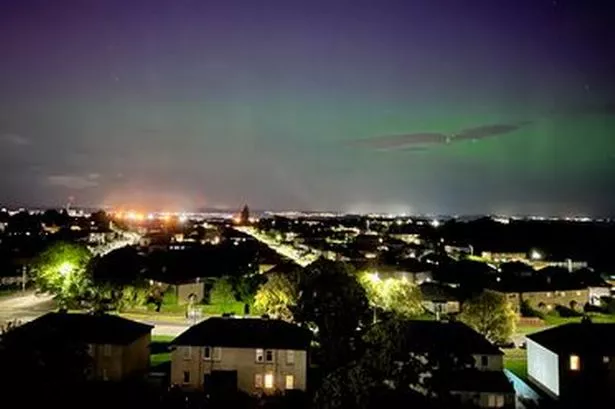
During especially strong solar storms, residents have reported seeing the northern lights Edinburgh display ripple above the horizon, painting the city skyline with streaks of emerald and violet. There’s something truly magical about seeing this natural wonder above landmarks like Edinburgh Castle or the Firth of Forth. It’s a reminder that even in a bustling capital, moments of pure natural beauty are never too far away.
Understanding the Northern Lights in Scotland
The northern lights Edinburgh sightings are part of a much wider pattern that covers the northern reaches of Scotland, including places like the Highlands, Shetland, and Orkney. The strength and visibility of the aurora depend on solar activity, which follows an 11-year cycle. When this activity peaks, as it’s expected to in 2025, even southern areas like Edinburgh stand a chance of witnessing the glowing display.
Historically, locals have spotted the northern lights Edinburgh during intense geomagnetic storms, with notable appearances in 2016, 2019, and 2024. While such events are unpredictable, they offer hope for skywatchers who long to see the aurora dance above the city’s rooftops. Understanding how space weather influences aurora visibility can help you prepare for those rare but spectacular nights.
When to See the Northern Lights in Edinburgh
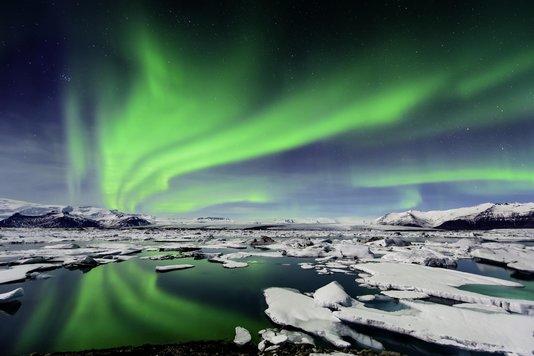
The ideal time to see the northern lights Edinburgh display is between late September and late March, when the nights are longest and the skies are darkest. These colder months create the perfect conditions for aurora watching, particularly during clear, crisp evenings. Between 9 pm and 2 am, the chances of visibility are highest, with midnight often being the prime viewing hour.
Aurora activity is measured using the KP index — a scale from 0 to 9 that indicates the strength of geomagnetic activity. For Edinburgh, a KP level of 5 or above is usually needed for visibility. Tracking this index through apps such as AuroraWatch UK, SpaceWeatherLive, or by searching “northern lights Edinburgh tonight tracker” on social media can help you plan your outing. Twitter pages dedicated to aurora alerts are also excellent for real-time updates.
Best Places to See the Northern Lights in Edinburgh
While light pollution can make it challenging, there are several prime viewing spots for the northern lights Edinburgh across the city. Calton Hill offers one of the most accessible and iconic vantage points, giving panoramic views over the skyline, the Firth of Forth, and beyond. On a clear night, this elevated location provides a striking contrast between the city lights below and the aurora glow above.
Arthur’s Seat, part of Holyrood Park, is another popular location. Its high elevation and open northern view make it ideal for aurora watching. Blackford Hill, home to the Royal Observatory, also offers surprisingly dark skies given its proximity to the city centre. For those who prefer coastal scenery, Cramond and Portobello beaches offer tranquil settings where the aurora can reflect beautifully on the water. These locations have all become hotspots for photographers chasing the northern lights Edinburgh.
How to Check if the Northern Lights Are Visible Tonight
If you’re eager to witness the northern lights Edinburgh spectacle, preparation and timing are key. Start by checking real-time aurora forecasts. Websites such as AuroraWatch UK send free alerts when geomagnetic conditions are favourable. Apps like My Aurora Forecast or Aurora Alert provide instant notifications when activity spikes in your area.
Social media can also be an invaluable tool. Searching “northern lights Edinburgh today” or following hashtags such as #AuroraScotland or #NorthernLightsEdinburgh on Twitter can give you updates from local photographers and astronomy enthusiasts. These online communities often share live images, helping you determine whether the aurora is currently visible. Remember — clear skies, minimal light pollution, and a high vantage point are your best allies.
Photography Tips for Capturing the Aurora Borealis
Capturing the northern lights Edinburgh requires patience and preparation. If you have a DSLR or mirrorless camera, use a tripod to prevent camera shake during long exposures. Set your ISO between 800 and 1600, keep your aperture wide, and use an exposure time of around 10 to 20 seconds to capture the vibrant colours of the aurora.
If you’re using a smartphone, switch to night mode and stabilise your device on a solid surface. Including landmarks like Calton Hill, Edinburgh Castle, or the city skyline in your frame adds depth and context to your images. After the shoot, editing tools can enhance contrast and saturation to reveal the full brilliance of your northern lights Edinburgh experience.
What to Expect and How to Prepare
Seeing the northern lights Edinburgh is as much about patience as it is about luck. Weather conditions in Scotland can change quickly, so always dress warmly, bring gloves, and pack a hot drink. It’s also worth arriving at your chosen spot early to let your eyes adjust to the darkness. Avoid bright lights or phone screens while waiting — they can reduce your night vision.
Even if the aurora doesn’t appear, the experience of standing under Edinburgh’s vast, starry sky is unforgettable. The peacefulness of Calton Hill at midnight or the gentle sound of waves at Cramond Beach make for magical moments in themselves. The anticipation of seeing the aurora only adds to the excitement of the night.
Conclusion: Chasing the Aurora Over Edinburgh
Witnessing the northern lights Edinburgh is a rare privilege, but with the right timing, conditions, and enthusiasm, it’s entirely possible. As solar activity increases in 2025, the likelihood of catching the Aurora Borealis above Scotland’s capital is greater than in recent years. The sight of shimmering lights dancing over the city’s skyline is something that stays with you forever.
Whether you’re gazing from Arthur’s Seat or standing by the shores of Portobello Beach, the northern lights remind us that nature still holds mysteries worth chasing. So, keep your eyes on the sky, check the aurora trackers, and prepare for one of the most extraordinary nights you’ll ever experience — right here in Edinburgh.
FAQs
Can you really see the northern lights in Edinburgh?
Yes, during periods of high solar activity, the aurora can occasionally be visible from Edinburgh, especially from elevated or coastal locations.
What is the best place to see the northern lights in Edinburgh?
Calton Hill, Arthur’s Seat, and Blackford Hill are the top spots, offering clear northern views with less light interference.
When is the best time to see the aurora?
From late September to late March, between 9 pm and 2 am, when skies are darkest and solar activity is strongest.
How can I track northern lights Edinburgh forecasts?
Use “northern lights Edinburgh tonight tracker” tools like AuroraWatch UK or SpaceWeatherLive, and follow local Twitter alerts for live updates.
Is 2025 a good year for northern lights Edinburgh sightings?
Yes. With solar activity nearing its peak, 2025 offers an excellent chance to witness the Aurora Borealis over Scotland’s capital.
Also Read: shark hydrovac