Quokka Selfie Guide: How to Take the Perfect Photo on Rottnest Island
The quokka selfie has become one of the most iconic travel experiences in Australia. Travellers from around the world visit Rottnest Island for the chance to meet the famous “smiling” marsupial and capture the perfect shot. Known as the happiest animal on Earth, the quokka has gained international fame through adorable photos shared across Instagram, Reddit, and travel blogs. A well-taken quokka selfie reflects not only the animal’s natural charm but also the spirit of responsible tourism that celebrates wildlife without harming it.
What makes a quokka selfie so special is the genuine connection it creates between humans and nature. These curious little creatures often hop close to visitors, tilting their heads with an almost human-like grin. This unique behaviour has turned the quokka into a global symbol of joy and friendliness. For many travellers, a quokka selfie on Rottnest Island is more than a photo—it’s a once-in-a-lifetime experience that represents pure happiness and the heart of Australian wildlife.
Meet the Quokka: Australia’s Smiling Marsupial
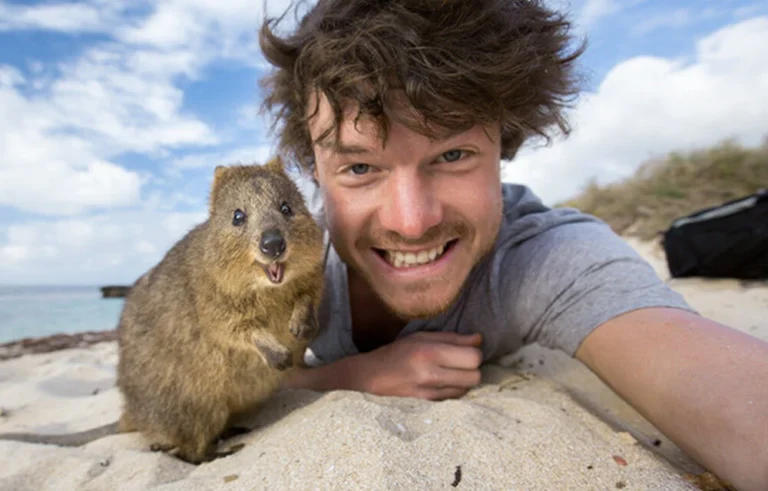
The quokka is a small marsupial belonging to the wallaby family, native to Western Australia. Its most famous home is Rottnest Island, a short ferry ride from Perth. With its rounded cheeks, shiny eyes, and perpetual smile, the quokka has captivated the world’s imagination. A quokka selfie captures this cheerful personality perfectly, making every image appear as though the animal is posing alongside its human friend.
Despite their friendly appearance, quokkas are wild animals that deserve respect and care. They are herbivores, feeding on leaves, grasses, and roots. Their approachable nature often surprises visitors, but this is a result of living in an environment free from predators. When taking a quokka selfie, it’s important to remember that patience and calm movements will earn their trust far more than any sudden or loud approach.
The Rise of the Quokka Selfie Phenomenon
The quokka selfie trend began with a few adventurous travellers but quickly exploded across social media. When celebrities such as Chris Hemsworth, Roger Federer, and Hugh Jackman shared their own smiling quokka selfies, the internet couldn’t resist. The combination of a world-famous face and a grinning marsupial was irresistible. Soon after, thousands of visitors began flocking to Rottnest Island, eager to capture their own unforgettable quokka selfie.
This wave of popularity transformed Rottnest Island into one of Australia’s top wildlife destinations. Magazines, blogs, and even Reddit threads began celebrating the best quokka selfies, showcasing just how photogenic these animals are. While the trend brought global attention to the island, it also highlighted the importance of ethical tourism. A perfect quokka selfie is one that respects the animal’s space and preserves the natural harmony of its environment.
How to Take the Perfect Quokka Selfie

Capturing the ideal quokka selfie is about timing, technique, and respect. The best moments often happen early in the morning or late in the afternoon, when the light is soft and golden. Position your camera at ground level so that you are eye-to-eye with the quokka. This low angle helps highlight their cheerful expressions and creates a more intimate, natural image that feels genuine and spontaneous.
It’s essential to let the quokka come to you rather than chasing it. Their natural curiosity often draws them close if you sit quietly. Avoid feeding them, as human food can make them ill. Once you’re in position, smile gently and wait for the quokka to look your way. Whether you capture a classic Rottnest Island quokka selfie or a lucky baby quokka selfie, the key is patience and kindness.
Ethical and Safety Guidelines for Responsible Photography
A quokka selfie should always be taken responsibly. These animals are protected by law, and disturbing them in any way can lead to fines and harm to the animal. Tourists are strictly prohibited from touching or feeding quokkas. Even though they appear friendly, human contact can disrupt their behaviour and put their health at risk. A responsible traveller values the animal’s safety above the perfect photo.
A quokka selfie gone wrong often happens when visitors ignore rules or try to provoke interaction. Ethical photography ensures that both humans and animals remain safe and happy. The beauty of a true Rottnest Island quokka selfie lies in capturing the moment naturally. The best pictures are always those that show genuine joy and respect for nature, rather than forced or intrusive encounters.
Beyond the Selfie: Experiencing the Beauty of Rottnest Island
Rottnest Island offers far more than just the chance for a quokka selfie. The island is a paradise of white-sand beaches, turquoise waters, and breathtaking coastal views. Travellers can explore the island by bicycle, snorkel among vibrant reefs, or relax in peaceful coves. Each part of Rottnest holds a story, blending natural beauty with rich Aboriginal and colonial history.
After capturing your quokka selfie, spend time exploring the island’s many walking trails and scenic spots. Visit local cafes or stay overnight to experience the island’s tranquil atmosphere after the day-trippers leave. The slower pace allows visitors to truly connect with nature. Every visit to Rottnest Island leaves travellers with not just a photo but a memory of serenity and joy.
The Impact of Quokka Selfies on Tourism and Conservation
The rise of the quokka selfie has brought immense economic benefits to Western Australia’s tourism industry. Thousands of visitors arrive each year, boosting local businesses and funding conservation projects that protect the quokka’s habitat. Awareness created by social media has turned this tiny marsupial into an ambassador for wildlife preservation across the country.
However, with fame comes responsibility. Authorities on Rottnest Island continue to educate visitors about ethical wildlife interaction. Signs, guides, and volunteers remind everyone that a quokka selfie should never come at the expense of the animal’s wellbeing. By following these guidelines, travellers ensure that future generations will continue to enjoy the same charming smiles that made the quokka world-famous.
The Joy and Meaning Behind Every Quokka Selfie
A quokka selfie is more than a travel photo—it’s a celebration of happiness, patience, and harmony with nature. Every image tells a story of connection between two very different worlds: the wild and the human. The quokka’s genuine smile reminds us that joy can be simple, natural, and shared without words.
For those visiting Rottnest Island, a quokka selfie symbolises a promise—to travel with kindness and care. Whether your picture joins the ranks of celebrity quokka selfies or remains a private keepsake, it carries the same message: that beauty lies in compassion and respect for the creatures we meet.
FAQs
Where is the best place to take a quokka selfie?
Rottnest Island in Western Australia is the most famous and ethical place for quokka selfies, as the animals live freely and are well protected.
Why do quokkas always look like they’re smiling?
Their facial structure naturally curves upward, giving the impression of a happy grin that photographers love to capture in a quokka selfie.
Can I take a quokka selfie with a baby quokka?
Yes, but always from a safe distance. Never approach or touch a mother and her joey, as it can cause stress.
Which celebrities have taken quokka selfies?
Famous examples include Chris Hemsworth, Roger Federer, and Hugh Jackman, whose photos helped make the trend globally popular.
Is it legal to touch a quokka?
No, it is illegal and punishable by fines. Respect their space and let them interact with you naturally.
What makes a quokka selfie different from other wildlife photos?
It’s the unique combination of friendliness, natural smiles, and the peaceful environment of Rottnest Island that make each picture so special.
Also Read: valentina lima