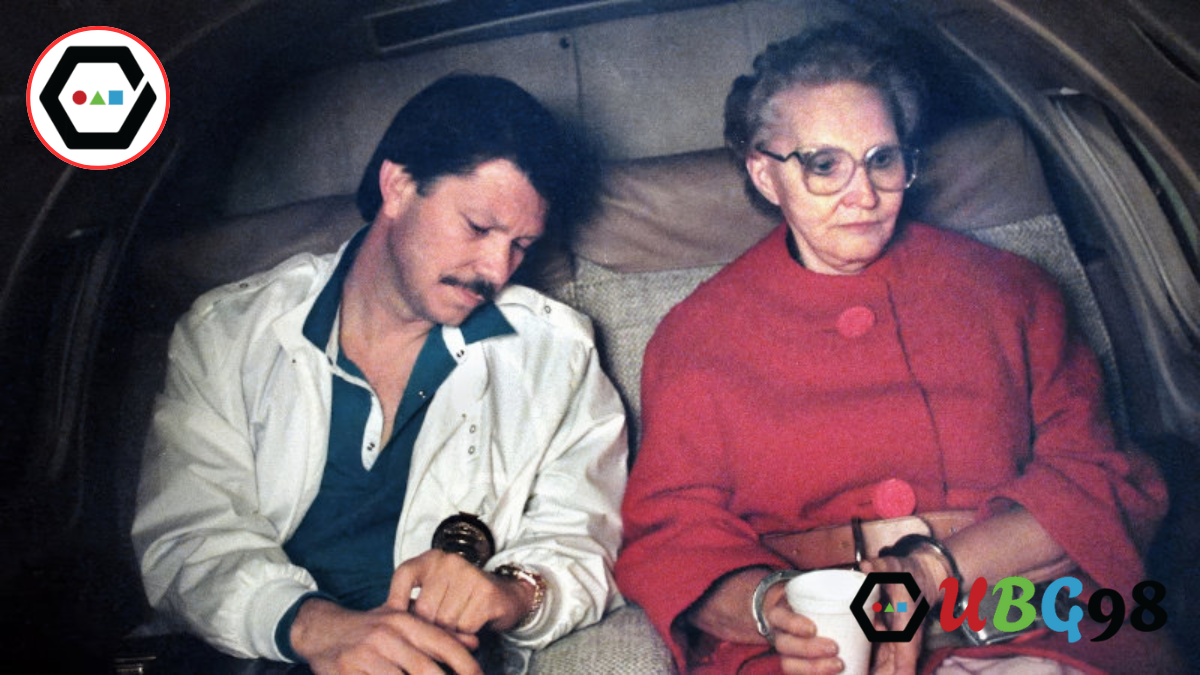
Dorothea Puente: Inside the Life of Sacramento’s Killer Landlady
Dorothea Puente is remembered as one of the most infamous female serial killers in American history. Operating in Sacramento during the 1980s, she gained notoriety for running a seemingly ordinary boarding house while secretly murdering her tenants. Known as the “Death House Landlady,” Dorothea Puente combined charm, deception, and calculated cruelty, preying on the elderly and vulnerable to secure their Social Security benefits for herself.
The story of Dorothea Puente continues to captivate true crime enthusiasts worldwide, including audiences in the UK. Her chilling ability to conceal horrific crimes behind a grandmotherly facade has inspired countless documentaries, books, and media portrayals. Understanding her life offers insights into criminal psychology, manipulation, and the dark complexities hidden beneath ordinary appearances, making Dorothea Puente’s case both fascinating and horrifying.
Dorothea Puente young and early life
Dorothea Puente was born on 9 January 1929 in Redlands, California, into a family that struggled with stability and financial hardship. From a young age, she displayed signs of manipulation and cunning behaviour. Friends and family later recalled her ability to charm adults while quietly bending rules and expectations to her benefit, traits that would later define her criminal approach.
Her early life experiences played a significant role in shaping her adult persona. Dorothea Puente young learned to navigate complex social situations, often using deceit to achieve her goals. These formative years reveal patterns of control and calculation, hinting at the psychological foundation that enabled her to operate a boarding house filled with unsuspecting victims, blending domestic normality with sinister intent.
Dorothea Puente spouse and personal life
Dorothea Puente’s personal life was marked by multiple relationships and marriages, the most notable being her union with Pedro Montalvo in 1976. Her marriages often served practical purposes, providing financial support and social legitimacy rather than emotional connection. Dorothea Puente spouse dynamics reflect a woman adept at manipulating those around her to maintain control over her circumstances.
Even outside of marriage, Dorothea Puente’s personal life was deeply intertwined with her criminal activities. Relationships were carefully curated to appear normal while concealing her darker side. Exploring Dorothea Puente spouse history highlights the stark contrast between her outward persona as a caring landlady and her secretive and deadly intentions, shedding light on her manipulative genius.
Dorothea Puente house and criminal activity
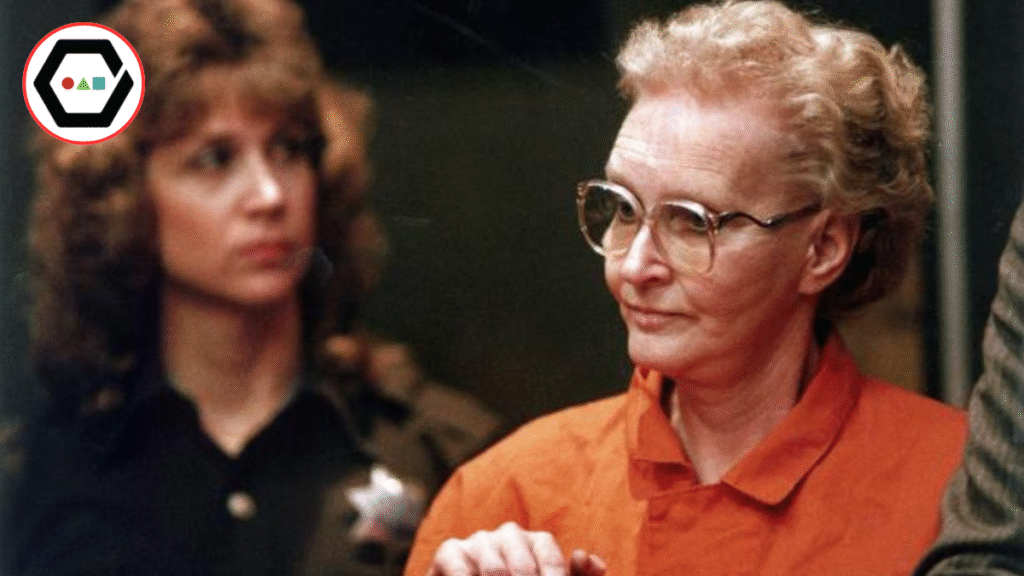
The boarding house run by Dorothea Puente in Sacramento became the centrepiece of her criminal operations. Vulnerable tenants, often elderly or mentally impaired, were lured with promises of shelter and care. Dorothea Puente house became a deadly environment, where she would administer drugs, suffocate or starve victims, and eventually bury their bodies on the property while continuing to collect their Social Security checks.
Authorities discovered multiple bodies hidden in the garden and yard of Dorothea Puente house, revealing the full scale of her crimes. Questions about the Dorothea Puente house location and whether it is still standing continue to intrigue true crime followers. The house itself became a symbol of deception, where the line between domestic normality and horror was tragically blurred.
Dorothea Puente victims and investigation
Dorothea Puente’s victims were carefully selected for vulnerability, including elderly tenants and individuals with limited family support. Her crimes remained undetected for years, largely due to her ability to charm neighbours and local authorities. Dorothea Puente victims numbered eight, though the exact number may never be fully known, highlighting her meticulous yet ruthless methods.
The investigation into Dorothea Puente victims revealed the shocking extent of her manipulation and cruelty. Police uncovered financial fraud alongside murder, including falsified documents and stolen benefits. Dorothea Puente victims not only suffered at her hands but became part of a larger pattern of exploitation, making her one of the most calculated female serial killers in US history.
Dorothea Puente died and trial
Dorothea Puente was arrested on 16 November 1988 after an extensive investigation exposed her crimes. Her trial became a national sensation due to the bizarre and horrifying nature of her actions. Dorothea Puente faced multiple charges, including murder, fraud, and abuse, ultimately receiving a life sentence without the possibility of parole.
Dorothea Puente died on 27 March 2011 in Central California Women’s Facility while serving her sentence. The trial highlighted her cunning even under scrutiny, as she attempted to maintain innocence and manipulate perceptions. Dorothea Puente died in prison, but her legacy persists, continuing to fascinate and horrify true crime enthusiasts around the world.
Dorothea Puente ghost adventures and media
The infamy of Dorothea Puente has extended beyond true crime documentaries into paranormal investigations. Her Sacramento boarding house became the focus of shows like Ghost Adventures, where the property’s dark history and hidden bodies became subjects of speculation and eerie storytelling. Dorothea Puente ghost adventures contribute to the continued public intrigue surrounding her life.
Media portrayals, including Netflix documentaries and true crime series, have ensured Dorothea Puente’s story remains widely known. From her nickname the Death House Landlady to the grim details of her crimes, Dorothea Puente’s media coverage reinforces public fascination. Her life, crimes, and boarding house remain powerful symbols of the intersection between deception, crime, and cultural curiosity.
Conclusion
Dorothea Puente’s story is a chilling example of manipulation, charm, and deadly calculation. From her early life to her Sacramento boarding house crimes and eventual conviction, she represents one of history’s most notorious female serial killers. Dorothea Puente’s life and crimes continue to captivate audiences, serving as a haunting reminder that appearances can be dangerously deceiving.
Her legacy lives on in media, paranormal investigations, and public memory. Dorothea Puente house and the victims she exploited remain subjects of study, fascination, and horror. The story of Dorothea Puente demonstrates the complexity of criminal psychology and the enduring allure of true crime narratives around the world.
FAQs
Who was Dorothea Puente?
Dorothea Puente was an American serial killer who ran a boarding house in Sacramento and murdered several tenants.
When did Dorothea Puente die?
Dorothea Puente died on 27 March 2011 while serving a life sentence in prison.
Where was Dorothea Puente’s house located?
Her house was located in Sacramento, California, USA.
Is Dorothea Puente’s house still standing?
Yes, the house still stands but is privately owned and not open for public tours.
How many victims did Dorothea Puente have?
She had eight confirmed victims, mostly elderly tenants.
What was Dorothea Puente charged with?
She was charged with multiple counts of murder, fraud, and abuse of elderly tenants.
Who were Dorothea Puente’s spouses?
Dorothea Puente was married to Pedro Montalvo and had other relationships throughout her life.
Why was Dorothea Puente called the Death House Landlady?
She earned the nickname because she murdered tenants in her boarding house while collecting their benefits.
Has Dorothea Puente been featured on Netflix or other documentaries?
Yes, she has been featured on Netflix, BBC documentaries, and true crime TV shows.
Are there ghost stories associated with Dorothea Puente’s house?
Yes, paranormal shows like Ghost Adventures have investigated her house due to its dark history.
Also Read: taylor swift cats