
Çievri: Meaning, Importance, and Role in Modern Life
Çievri is a concept with deep cultural roots and a growing relevance in modern society. Originating from Turkic ceremonial traditions, it embodies cycles of action, reflection, and renewal. In contemporary contexts, çievri has become a framework for mindful living, personal growth, and sustainable practices, bridging the wisdom of the past with the challenges of today. Its application spans education, technology, lifestyle, and societal development, making it a unique lens through which to understand life and human behaviour.
Understanding çievri offers insights into how traditions can evolve into guiding principles for modern living. The concept encourages individuals to reflect on actions, learn from experiences, and maintain a balance between personal, social, and environmental responsibilities. As interest in mindful and conscious lifestyles grows, çievri emerges as a philosophy that not only preserves cultural heritage but also inspires thoughtful decision-making, sustainable habits, and a more harmonious existence.
What is Çievri? Understanding the Concept
Çievri is more than a word; it is a philosophy that emphasises cycles, continuity, and mindfulness. It represents a process of action, reflection, and improvement, encouraging individuals to observe patterns in life and adapt accordingly. The term originally described cultural and spiritual rituals, but it has expanded to include modern applications in education, leadership, and personal development. Its cyclical nature reminds people that life is not linear, and growth often requires revisiting, evaluating, and refining approaches to challenges.
At its core, çievri encourages balance between the past, present, and future. By focusing on reflection, individuals can make informed decisions that harmonise personal goals with societal and environmental responsibilities. The philosophy of çievri offers a framework for continuous learning, resilience, and ethical action. Its adaptability allows it to influence areas as diverse as workplace productivity, educational methodologies, and even artificial intelligence systems designed to optimise learning and decision-making processes.
Historical and Cultural Significance of Çievri
Historically, çievri played a crucial role in Turkic rituals and ceremonies, symbolising continuity, renewal, and connection to ancestral wisdom. Communities employed this concept to maintain cultural identity and ensure cohesion, using the principles of cycles and reflection to teach values, share knowledge, and guide behaviour. The cyclical perspective embedded in çievri mirrored the rhythms of nature, the seasons, and human life, reinforcing a holistic understanding of existence.
The cultural significance of çievri extends to art, literature, and education. Stories, performances, and teachings were often designed around the idea of cycles, encouraging reflection and renewal. By preserving these traditions, societies ensured that moral lessons, ethical practices, and practical knowledge were transmitted across generations. Even in contemporary times, understanding the historical roots of çievri helps individuals appreciate the interplay between tradition and modernity, highlighting the timeless value of reflection, balance, and sustainability.
Modern Interpretation and Applications
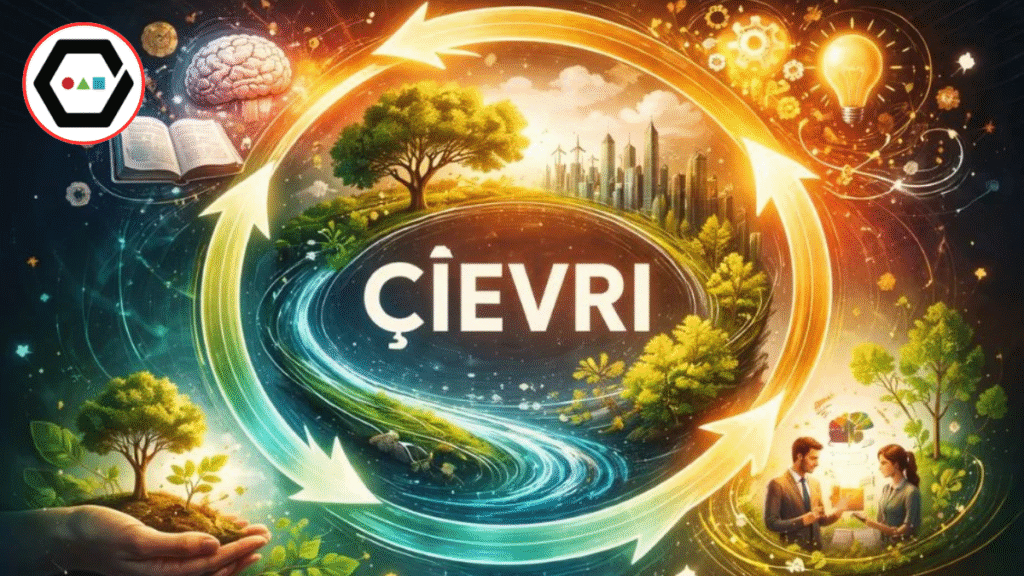
In modern society, çievri has evolved into a guiding philosophy for education, sustainability, and personal development. It inspires learning methods that emphasise cycles of reflection and improvement, promoting adaptive thinking and continuous growth. In sustainability, çievri encourages mindfulness in consumption, environmental awareness, and long-term planning. Its principles guide people to create balanced lives, align actions with values, and contribute positively to the wider community.
Technological applications of çievri are also emerging, particularly in AI-driven learning and organisational management. By incorporating cyclical reflection and iterative improvement, businesses and educational platforms can foster innovation, efficiency, and personal growth. Çievri’s influence encourages systems that value feedback, continuous adaptation, and resilience. This demonstrates how ancient concepts can remain relevant, offering practical solutions to modern challenges while retaining their cultural and philosophical essence.
The Philosophy of Cycles and Reflection
A key aspect of çievri is its focus on cyclical thinking. Life, according to this philosophy, is a series of cycles—of learning, action, reflection, and adaptation. Recognising these cycles allows individuals to grow from experiences, anticipate challenges, and develop strategies that lead to continuous improvement. By embracing the rhythm of life, people can cultivate patience, awareness, and resilience, fostering both personal and professional success.
Reflection is central to çievri, supporting conscious decision-making and ethical action. Individuals and communities can use cyclical evaluation to improve habits, refine goals, and maintain harmony with their environment. Whether applied to education, work, or personal growth, the philosophy of çievri teaches that understanding patterns and cycles is essential for sustainable development. This approach encourages mindfulness, promotes balance, and highlights the importance of learning from both successes and failures.
Çievri and Its Role in Modern Society
In contemporary life, çievri serves as a tool for cultural preservation, ethical decision-making, and holistic growth. Its principles guide mental wellbeing, personal development, and community cohesion, helping people navigate the complexities of modern living. Societies that embrace çievri foster resilience, sustainability, and ethical practices, balancing innovation with tradition and individual needs with collective responsibility.
By applying çievri, individuals can cultivate mindfulness, self-awareness, and intentional living. The philosophy encourages harmony between technological progress and cultural values, reminding us that growth should respect both human and environmental limits. In this way, çievri continues to shape education, personal habits, and societal practices, highlighting the enduring relevance of ancient wisdom in shaping modern life and fostering a balanced, reflective approach to living.
Conclusion
Çievri is a timeless concept that connects tradition, reflection, and modern living. Its principles of cycles, mindfulness, and continuous improvement offer practical guidance for personal growth, education, and societal development. By embracing çievri, individuals and communities can cultivate balance, ethical awareness, and sustainable practices, ensuring that ancient wisdom remains a meaningful guide in contemporary life.
FAQs
What does çievri mean?
Çievri represents cycles, reflection, and continuous improvement, originating from Turkic traditions and rituals.
Where does the concept of çievri come from?
It originates from Turkic cultural and ceremonial practices, symbolising renewal, continuity, and mindful living.
How can çievri be applied in modern life?
Çievri is applied in education, personal development, sustainability, and workplace practices to encourage reflection and growth.
Is çievri related to mindfulness and conscious living?
Yes, çievri encourages awareness, ethical action, and deliberate decision-making, supporting a mindful lifestyle.
Why is çievri important in education and learning?
Its cyclical approach fosters adaptive thinking, reflection, and continuous improvement, enhancing knowledge retention and growth.
Can çievri improve personal development?
Absolutely. By focusing on cycles and reflection, çievri encourages resilience, balance, and self-awareness, promoting sustainable personal growth.
How does çievri influence society today?
Çievri guides cultural preservation, ethical practices, sustainable development, and community cohesion, making it relevant in modern society.
Also Read: aldi’s middle aisle prank